Alexa+
Mobile
Completely reimagining how Alexa customers use the Alexa Mobile App by redesigning its core experience from the ground up to be agent-forward, centering around Alexa+.
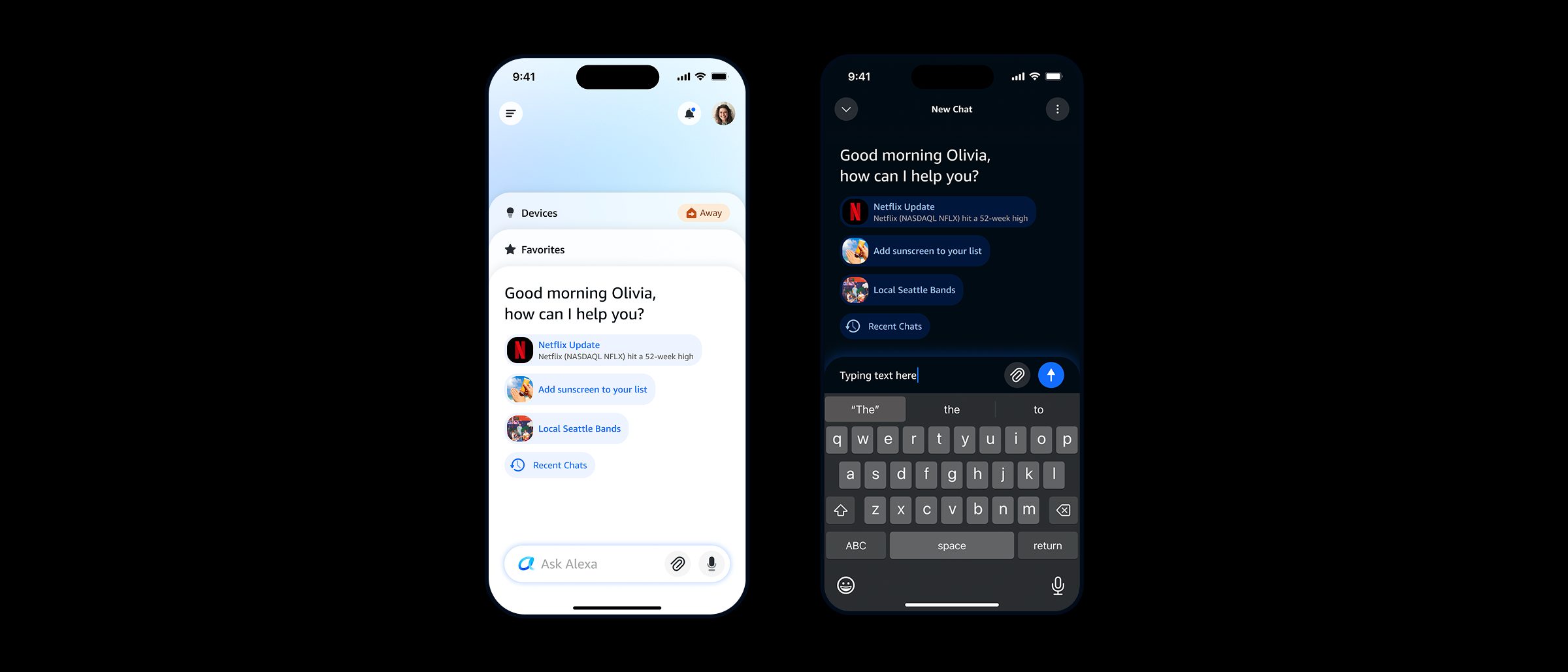
overview
Alexa+ is Amazon's rebuilt conversational assistant, and the mobile app is how most people reach it when they aren't standing next to an Echo. That makes the app the widest door into Alexa there is. Through 2025 I was visual design lead on rebuilding its core experience around Alexa+.
The goal we were given was Alexa+ within arm's reach of every customer, all the time, wherever they are. That reads like positioning, but it set a real constraint: if the assistant is the point, it can't be something you navigate to.
problem
We were after three things, and the third is what made it hard. Alexa had to be the best mobile AI assistant rather than a good one. The app had to be something people actually liked using, with genuinely different experiences for smart home and non-smart-home customers, a near-even split of the base with distinct needs.
And it had to get simpler. The home screen we inherited carried For You, Favorites, Recent Chats, Discovery and its own navigation layer, all of it competing with the single interaction we wanted to put first.
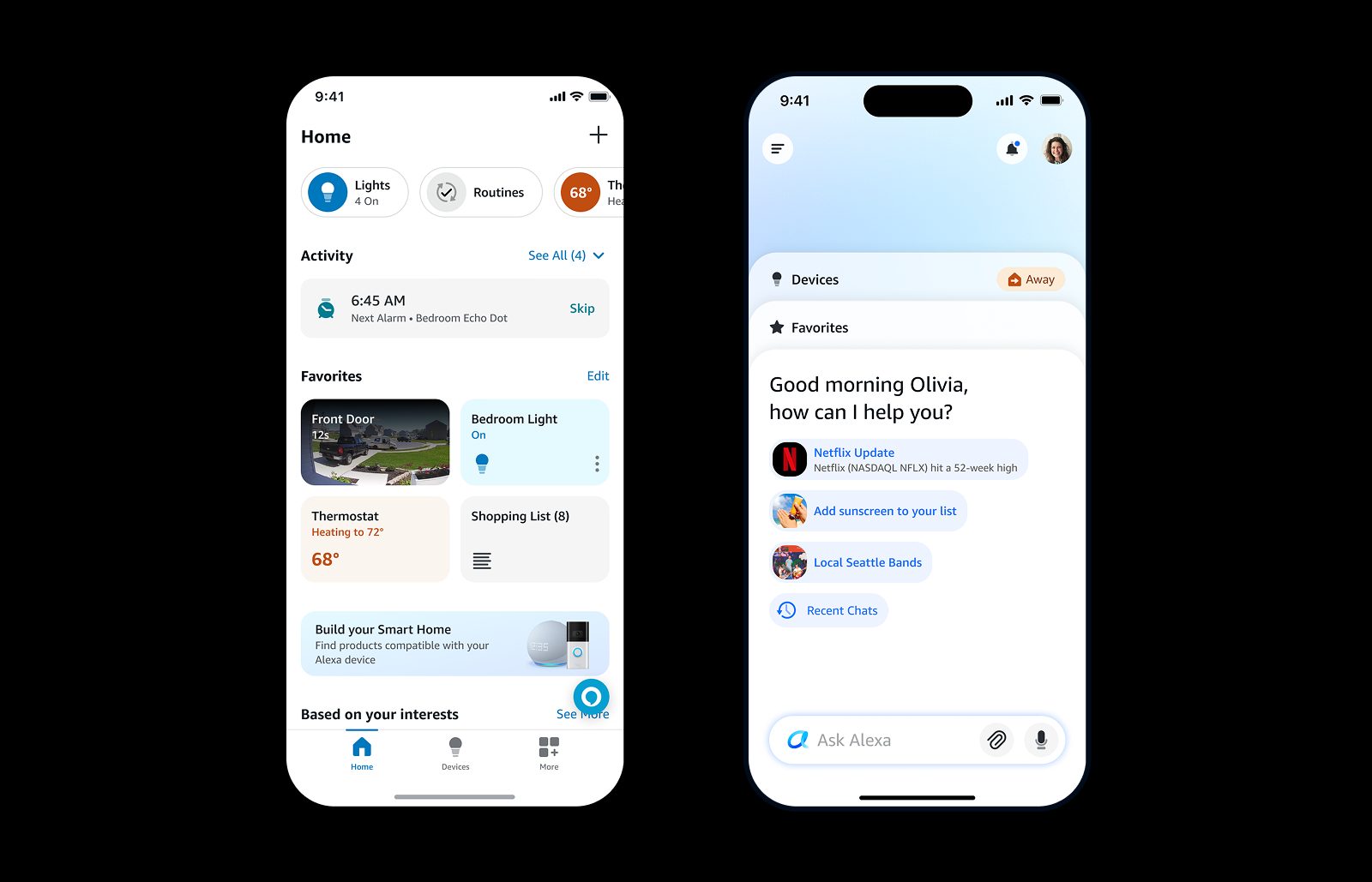
FIG_01 — The home screen before and after
process
This built on work from the year before. When Amazon started building the new conversational Alexa, I helped lead the design for what that experience should be inside the mobile app, so by the time the full redesign kicked off we already had a point of view on how a conversation ought to behave on a phone.
The delivery timeline shaped everything after that. It was aggressive enough that designing finished screens and working out the pieces afterward was never going to survive contact with it, so I inverted the order and started from the components.
core components
I led the design of every new and updated component, and built a custom component library and core UX spec from scratch. The reason was sequencing rather than tidiness: with the library first, design and engineering could work in parallel off the same source instead of engineering waiting on a finished layout to be handed over.
FIG_02 — Core components from the library
specs and delivery
I specced each component straight out of the library using Figma's Dev Mode, annotations and variables, covering every variant and nested component. A separate spec document would have drifted the moment anything in the library changed, and on this timeline things changed weekly.
outcome
The redesigned app is agent-forward: Alexa+ is what you land on, not something you go and find. Front-loading the library and the specs is the decision I'd make again. It's what kept a large team consistent while the design itself was still moving, and it left the next set of features something to build on.